When we think about fitness, we often focus on the muscles that are most visible, like our biceps or abs. However, one of the most crucial muscle groups that often gets overlooked is the hamstrings. These muscles, located at the back of your thighs, play a vital role in our overall strength, flexibility, and athletic performance.
Strong and flexible hamstrings are essential for a variety of movements, from running and jumping to bending and lifting. They help stabilize your knees and hips, reducing the risk of injury during physical activities. Moreover, tight hamstrings can lead to a host of issues, including lower back pain and poor posture.
When your hamstrings are inflexible, they can pull on your pelvis, causing it to tilt and leading to discomfort in your lower back. By focusing on strengthening and stretching these muscles, you not only enhance your athletic performance but also improve your overall quality of life. Imagine being able to bend down to tie your shoes without discomfort or sprinting after your kids without feeling tightness in your legs.
This is the power of strong and flexible hamstrings.
Key Takeaways
- Strong and flexible hamstrings are crucial for overall lower body strength and injury prevention.
- Deadlifts are an effective exercise for strengthening the hamstrings, as they engage multiple muscle groups.
- Romanian deadlifts specifically target the hamstring muscles, helping to improve strength and flexibility.
- Single-leg Romanian deadlifts are great for building stability and flexibility in addition to hamstring strength.
- Glute-ham raises provide a challenging exercise to further strengthen the hamstrings, glutes, and lower back.
- Standing and seated leg curls isolate and strengthen the hamstrings, making them an important addition to any lower body workout routine.
Deadlifts: The Ultimate Hamstring Strengthener
Why Deadlifts Are So Effective
The deadlift is a compound movement that targets the hamstrings while engaging multiple muscle groups, making it an excellent exercise for building strength in the posterior chain, which includes the hamstrings, glutes, and lower back. Its versatility is another advantage, as it can be performed with a barbell, dumbbells, or kettlebells, making it accessible to everyone, regardless of fitness level.
Proper Form and Technique
To perform a standard deadlift, start by standing with your feet hip-width apart and the weight positioned over the middle of your feet. Bend at your hips and knees to grasp the weight with both hands, keeping your back straight and chest up. As you lift the weight off the ground, focus on driving through your heels and engaging your hamstrings and glutes.
Benefits of Incorporating Deadlifts into Your Routine
Lower the weight back down with control, ensuring that you maintain proper form throughout the movement. Incorporating deadlifts into your routine not only strengthens your hamstrings but also enhances your overall functional strength, making everyday tasks easier.
Romanian Deadlifts: Targeting the Hamstring Muscles
While traditional deadlifts are fantastic for overall strength, Romanian deadlifts take it a step further by specifically targeting the hamstrings. This variation emphasizes the eccentric phase of the lift, which is when the muscle lengthens under tension. This is crucial for building strength and flexibility in the hamstrings.
The Romanian deadlift is particularly beneficial for those looking to improve their athletic performance or simply enhance their leg strength. To perform a Romanian deadlift, start by standing with your feet hip-width apart while holding a barbell or dumbbells in front of your thighs. Keeping a slight bend in your knees, hinge at your hips to lower the weights down along your legs.
Focus on pushing your hips back rather than bending forward at the waist. You should feel a stretch in your hamstrings as you lower the weights. Once you reach just below knee level or when you feel a good stretch, reverse the motion by driving through your heels and returning to a standing position.
This exercise not only strengthens your hamstrings but also improves your hip mobility and stability.
Single-Leg Romanian Deadlifts: Building Stability and Flexibility
| Metrics | Results |
|---|---|
| Muscles targeted | Hamstrings, glutes, lower back, core |
| Stability | Improves balance and stability |
| Flexibility | Increases flexibility in hamstrings and lower back |
| Equipment | Dumbbells, kettlebells, or body weight |
| Variations | Single-leg, staggered stance, deficit |
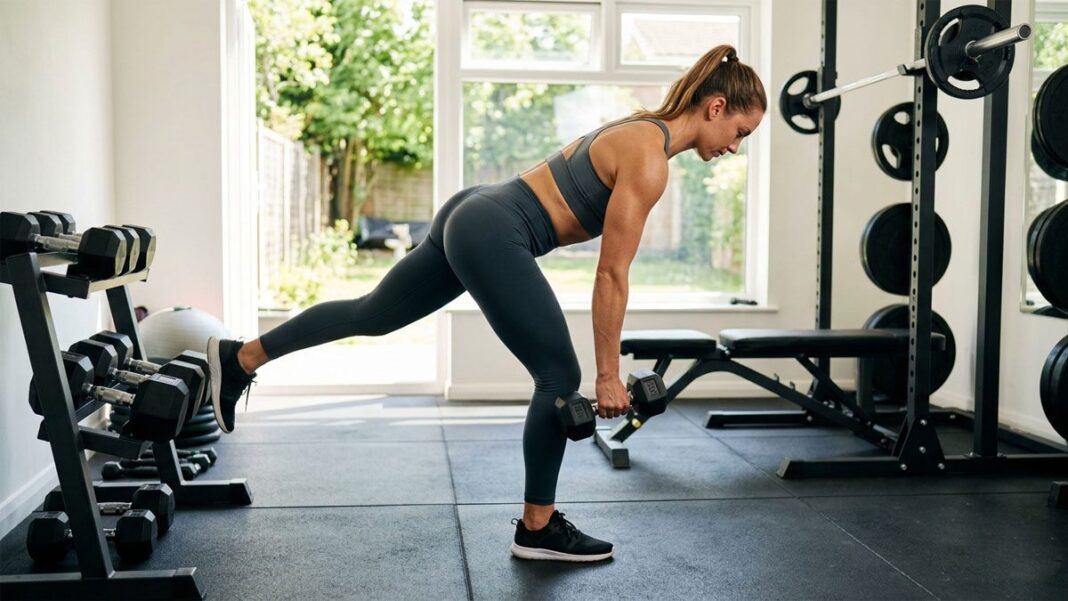
If you’re ready to take your hamstring training to the next level, single-leg Romanian deadlifts are an excellent choice. This exercise not only targets the hamstrings but also challenges your balance and stability, making it a fantastic addition to any workout routine. By working one leg at a time, you can identify and address any imbalances in strength or flexibility between your legs.
To perform a single-leg Romanian deadlift, start by standing on one leg with a slight bend in that knee. Hold a dumbbell or kettlebell in the opposite hand. As you hinge at the hips to lower the weight toward the ground, extend your free leg straight behind you for balance.
Keep your back straight and core engaged throughout the movement. Lower the weight until you feel a stretch in your hamstring before returning to a standing position. This exercise not only strengthens your hamstrings but also improves proprioception—the awareness of where your body is in space—making it invaluable for athletes and fitness enthusiasts alike.
Glute-Ham Raises: A Challenging Exercise for Hamstring Strength
For those looking to really challenge their hamstrings, glute-ham raises are an excellent option. This exercise requires specialized equipment but is incredibly effective for isolating and strengthening the hamstring muscles. Glute-ham raises not only build strength but also enhance muscle endurance, making them ideal for athletes who rely heavily on their hamstrings during performance.
To perform a glute-ham raise, you’ll need access to a glute-ham developer (GHD) machine. Start by positioning yourself on the machine with your feet secured under the footplate and your knees resting on the pad. Begin by lowering your upper body toward the ground while keeping your hips extended.
Engage your hamstrings to pull yourself back up to the starting position. This movement requires significant strength and control, so start with bodyweight or minimal resistance until you feel comfortable with the motion. Incorporating glute-ham raises into your routine will not only strengthen your hamstrings but also improve overall athletic performance.
Standing and Seated Leg Curls: Isolating and Strengthening the Hamstrings
If you’re looking for exercises that specifically isolate the hamstrings, standing and seated leg curls are fantastic options. These exercises can be performed using machines found in most gyms or with resistance bands at home. They allow you to focus solely on strengthening the hamstring muscles without engaging other muscle groups as much as compound movements do.
To perform a standing leg curl, stand facing a leg curl machine with one leg positioned behind you. Flex at the knee to bring your heel toward your glutes while keeping your upper body stable. Lower back down with control before repeating for several repetitions before switching legs.
For seated leg curls, sit on the machine with your legs extended in front of you. Curl your legs down toward the seat while keeping your back pressed against the pad. Both variations effectively target the hamstrings while allowing you to adjust resistance levels based on your fitness level.
In conclusion, strong and flexible hamstrings are essential for overall health and fitness. By incorporating exercises like deadlifts, Romanian deadlifts, single-leg Romanian deadlifts, glute-ham raises, and leg curls into your routine, you can build strength and flexibility in this crucial muscle group. Remember that consistency is key; aim to include these exercises in your weekly workouts for optimal results.
As you strengthen your hamstrings, you’ll not only enhance your athletic performance but also improve your daily functional movements and reduce the risk of injury. So let’s commit to prioritizing our hamstring health together—your body will thank you!