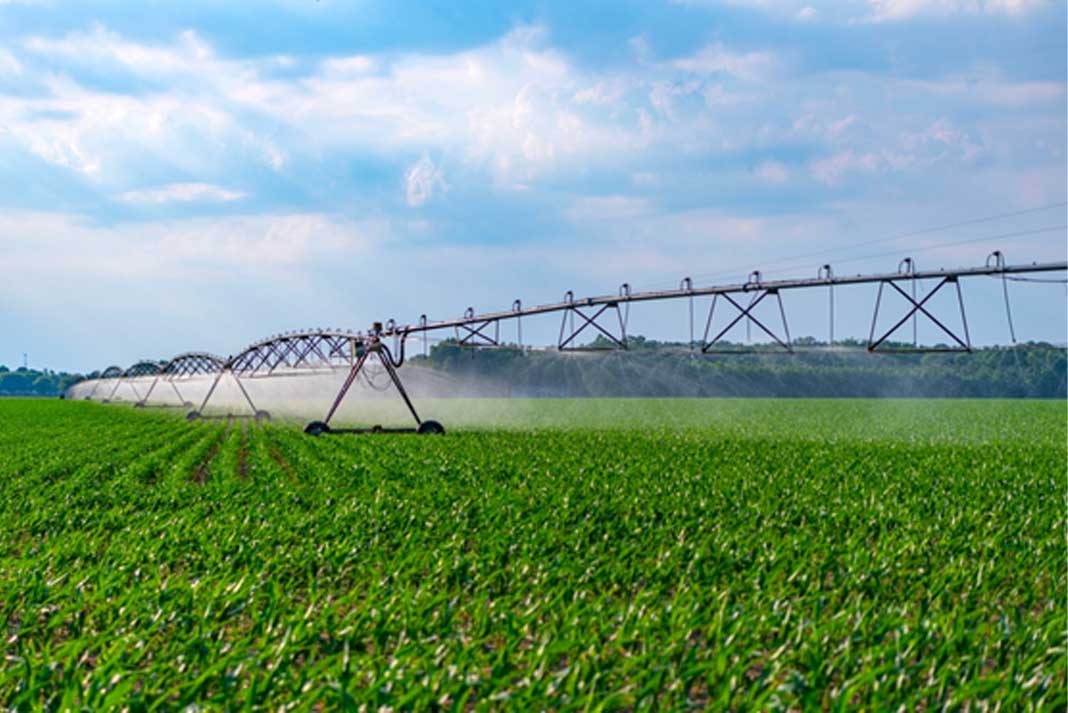
Center pivot irrigation systems depend on gearboxes to deliver consistent rotational power, yet unexpected sounds from these components often signal underlying issues that demand prompt attention. Farmers frequently encounter this problem during routine field checks, where a once-silent unit begins emitting whines, grinds, or vibrations, potentially disrupting water distribution and crop health. Addressing the root causes early prevents escalation into costly repairs or system downtime.
Identifying Normal Versus Abnormal Noises
Not all sounds indicate failure; certain models, such as newer electric-driven units, produce a characteristic whine audible from a distance due to their gear design. This baseline hum stems from high-speed gear interactions and typically poses no threat if consistent. However, shifts to irregular patterns—like rhythmic growling, knocking, or high-pitched squeals—suggest mechanical distress in the irrigation gearbox, warranting immediate investigation to safeguard operational integrity.
Primary Causes of Excessive Noise
Worn or Damaged Bearings
Bearings support the shafts within the gearbox, and over time, exposure to dust, moisture, or heavy loads leads to degradation. Seized or pitted bearings generate grinding noises as they fail to rotate smoothly, increasing friction and heat. In arid farming regions, abrasive particles accelerate this wear, making regular inspections essential for early detection.
Gear Wear and Misalignment
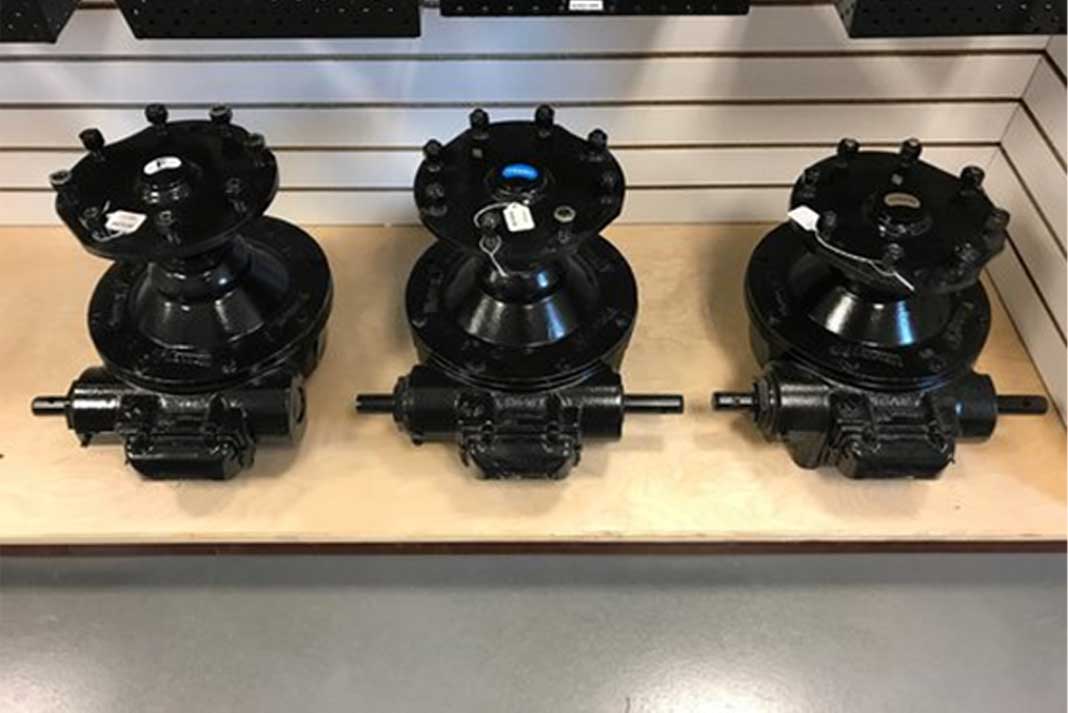
Gears mesh to reduce motor speed and amplify torque, but prolonged use or improper installation causes pitting, chipping, or misalignment. A single pitted tooth can produce whirring or growling sounds, as uneven contact amplifies vibrations throughout the assembly. For the irrigation pivot gearbox, which endures constant stress on uneven terrain, such issues often arise from overlooked alignment during setup or after impacts from field obstacles.
Lubrication Deficiencies
Inadequate or contaminated oil ranks among the most preventable triggers. Low lubricant levels allow metal-to-metal contact, resulting in squeaks or hums, while degraded oil—thickened by heat or polluted with water—exacerbates vibration. Systems operating in humid climates face higher risks of moisture ingress, which emulsifies the oil and diminishes its protective qualities.
Overloading and Structural Strain
Excessive loads from extended spans or hilly ground strain the gearbox beyond design limits, leading to noises indicative of internal stress. This manifests as knocking during acceleration or under wind gusts, highlighting the need for models matched to specific farm conditions.
Step-by-Step Troubleshooting Process
Commence by safely halting the system and conducting a visual examination for leaks or loose mounts. Listen during a controlled startup to pinpoint the noise’s origin—whether from the input shaft, output, or housing. Check oil levels via the sight glass; if low or discolored, drain and refill with manufacturer-recommended gear oil. Measure bearing play with a dial indicator and inspect gears through access ports for visible damage. If misalignment is suspected, verify tower alignment across the pivot span.
When Professional Assistance Becomes Necessary
Persistent noises despite basic interventions signal deeper problems, such as internal fractures, requiring disassembly by certified technicians. For the agricultural gearbox for irrigation systems, consulting specialists ensures compliance with warranty terms and prevents voiding coverage through improper handling. Delaying expert input risks cascading failures, including reduced water efficiency and potential crop losses.
Preventive Measures to Minimize Future Noise Issues
Implement a maintenance schedule that includes seasonal oil changes and annual bearing inspections to extend component life. Opt for sealed units with enhanced filtration in dusty environments, and monitor operational loads to avoid overloads. Training farm staff on early noise recognition fosters proactive care, ultimately enhancing system longevity and reliability.