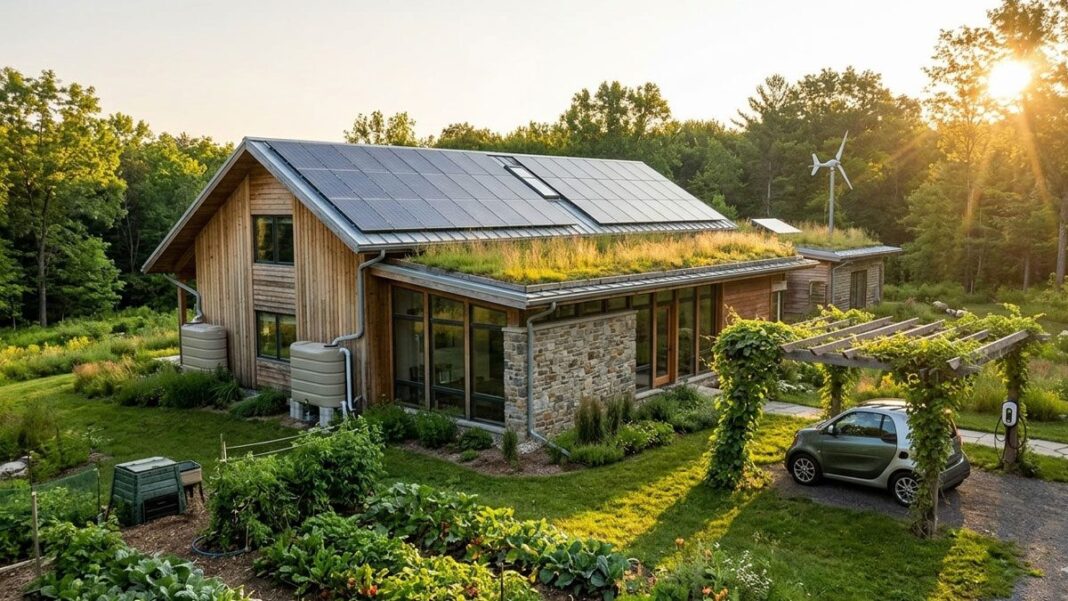
Green living is more than just a trend; it’s a lifestyle choice that prioritizes the health of our planet alongside personal well-being. At its core, green living involves making conscious decisions that reduce our ecological footprint while enhancing our quality of life. This holistic approach recognizes the interconnectedness of environmental health and personal wellness, advocating for practices that nurture both.
By embracing eco-friendly habits, individuals can contribute to a healthier planet while simultaneously improving their physical and mental health. The journey toward sustainable living begins with awareness. Understanding the impact of our daily choices—ranging from the food we consume to the products we use—can empower us to make better decisions.
For instance, opting for locally sourced foods not only supports local economies but also reduces the carbon emissions associated with long-distance transportation. Similarly, choosing organic products minimizes exposure to harmful chemicals, benefiting both our health and the environment. By fostering a mindset that values sustainability, we can create a ripple effect that encourages others to join in the movement toward a greener future.
Key Takeaways
- Green living involves making conscious choices to reduce environmental impact and promote sustainability in daily life.
- Sustainable home design focuses on using energy-efficient materials and incorporating natural elements to reduce the carbon footprint of a home.
- Eco-friendly materials and products are made from renewable resources and have minimal impact on the environment during production and use.
- Energy-efficient practices include using renewable energy sources, reducing energy consumption, and investing in energy-saving appliances.
- Waste reduction and recycling are essential for minimizing the amount of waste sent to landfills and conserving natural resources.
- Water conservation involves using water-saving fixtures, reusing greywater, and implementing landscaping techniques that reduce water usage.
- Sustainable transportation options include walking, biking, carpooling, and using public transportation to reduce emissions and fuel consumption.
- Community and social responsibility involve supporting local businesses, participating in environmental initiatives, and advocating for sustainable practices in the community.
Sustainable Home Design
Creating a sustainable home is a vital step in the journey toward green living. Sustainable home design focuses on building and renovating spaces that are energy-efficient, resource-conserving, and environmentally friendly. This approach often incorporates natural materials, passive solar design, and efficient insulation to minimize energy consumption.
By designing homes that harmonize with their surroundings, we can create spaces that not only reduce our carbon footprint but also enhance our overall well-being. Incorporating elements such as natural light, ventilation, and green roofs can significantly improve indoor air quality and promote mental health. Biophilic design, which emphasizes the connection between nature and architecture, has been shown to reduce stress and increase productivity.
By integrating plants into our living spaces or utilizing natural materials like bamboo and reclaimed wood, we can create a sanctuary that nurtures both our bodies and the environment. Ultimately, sustainable home design is about creating spaces that reflect our values and foster a sense of harmony with nature.
Eco-Friendly Materials and Products
The materials we choose for our homes and daily lives play a crucial role in promoting sustainability. Eco-friendly materials are those that are sourced responsibly, have minimal environmental impact, and are often biodegradable or recyclable. For instance, opting for organic cotton or hemp for textiles reduces the use of harmful pesticides and chemicals in farming.
Similarly, choosing furniture made from reclaimed wood not only conserves resources but also adds character to our living spaces. When shopping for products, it’s essential to consider their lifecycle—from production to disposal. Supporting brands that prioritize ethical sourcing and sustainable practices can make a significant difference.
Look for certifications such as Fair Trade or Forest Stewardship Council (FSC) to ensure that your purchases align with your values. By consciously selecting eco-friendly materials and products, we can reduce waste, conserve resources, and contribute to a healthier planet while enhancing our own well-being.
Energy-Efficient Practices
| Energy-Efficient Practice | Benefits | Metrics |
|---|---|---|
| LED Lighting | Reduces energy consumption | Percentage of lighting replaced with LED |
| Smart Thermostats | Optimizes heating and cooling | Percentage of energy saved |
| Energy-Efficient Appliances | Lower energy bills | Energy Star rating |
| Insulation | Improves building’s energy efficiency | R-value of insulation |
Energy efficiency is a cornerstone of sustainable living. By adopting energy-efficient practices in our homes and daily routines, we can significantly reduce our carbon footprint while saving money on utility bills. Simple changes, such as switching to LED light bulbs, using energy-efficient appliances, and properly insulating our homes, can lead to substantial energy savings.
Additionally, utilizing smart home technology allows us to monitor and control energy usage more effectively. Beyond individual actions, advocating for renewable energy sources is crucial in the fight against climate change. Supporting initiatives that promote solar or wind energy can help transition society away from fossil fuels.
By investing in renewable energy solutions for our homes—such as solar panels—we not only reduce our reliance on non-renewable resources but also contribute to a cleaner environment for future generations. Embracing energy-efficient practices is not just about saving money; it’s about taking responsibility for our planet’s health.
Waste Reduction and Recycling
Waste reduction is an essential component of sustainable living. The average person generates a significant amount of waste each year, much of which ends up in landfills where it contributes to pollution and greenhouse gas emissions. To combat this issue, adopting a zero-waste mindset can be transformative.
This involves rethinking our consumption habits and striving to minimize waste at every stage—from production to disposal. Recycling is an important part of waste reduction but should be viewed as just one piece of the puzzle. Prioritizing practices such as composting organic waste, repurposing items instead of discarding them, and choosing products with minimal packaging can significantly reduce the amount of waste we generate.
Additionally, participating in community clean-up events or advocating for better recycling programs can foster a culture of sustainability within our communities. By taking proactive steps to reduce waste, we not only protect the environment but also cultivate a sense of responsibility toward future generations.
Water Conservation
Water conservation is another critical aspect of sustainable living that often goes overlooked. Freshwater resources are finite, and with increasing demand due to population growth and climate change, it’s essential to adopt practices that preserve this vital resource. Simple changes in our daily routines—such as fixing leaks, using water-efficient fixtures, and collecting rainwater for gardening—can make a significant impact on water conservation efforts.
Moreover, being mindful of water usage in agriculture is crucial for promoting environmental health. Supporting local farmers who practice sustainable irrigation methods or growing your own food can help reduce water consumption associated with food production. By prioritizing water conservation in both personal habits and community initiatives, we can contribute to a more sustainable future while ensuring access to clean water for all.
Sustainable Transportation
Transportation is one of the largest contributors to greenhouse gas emissions globally. Transitioning to sustainable transportation options is essential for reducing our environmental impact while promoting personal health. Walking or biking for short trips not only decreases carbon emissions but also provides physical exercise that benefits overall well-being.
Public transportation is another eco-friendly alternative that reduces the number of vehicles on the road and lowers traffic congestion. For longer commutes or travel needs, consider carpooling or using electric vehicles (EVs) as more sustainable options. EVs produce zero tailpipe emissions and can be powered by renewable energy sources, making them an excellent choice for environmentally conscious individuals.
Additionally, advocating for improved public transportation infrastructure or supporting policies that promote sustainable urban planning can help create communities that prioritize green living. By making conscious choices about how we travel, we can significantly reduce our carbon footprint while enhancing our quality of life.
Community and Social Responsibility
Sustainable living extends beyond individual actions; it encompasses community engagement and social responsibility as well. Building connections with like-minded individuals fosters a sense of belonging and collective purpose in promoting environmental health. Participating in local sustainability initiatives—such as community gardens or clean-up events—can strengthen community ties while contributing to a healthier environment.
Moreover, supporting local businesses that prioritize sustainability helps create an economy rooted in ethical practices. By choosing to shop locally or support fair-trade products, we contribute to a system that values people and the planet over profit. Engaging in advocacy efforts—whether through petitions or community organizing—can amplify voices calling for systemic change in policies related to environmental protection and social justice.
Ultimately, embracing community and social responsibility is essential for creating a sustainable future where both people and the planet thrive. In conclusion, adopting sustainable wellness practices is not just beneficial for the environment; it enhances our personal health and well-being as well. By understanding green living principles, designing sustainable homes, choosing eco-friendly materials, implementing energy-efficient practices, reducing waste, conserving water, utilizing sustainable transportation options, and engaging with our communities, we can create a holistic approach to wellness that nurtures both ourselves and the planet.
As we embark on this journey toward sustainability, let us remember that every small action counts—together, we can make a significant impact on the world around us.