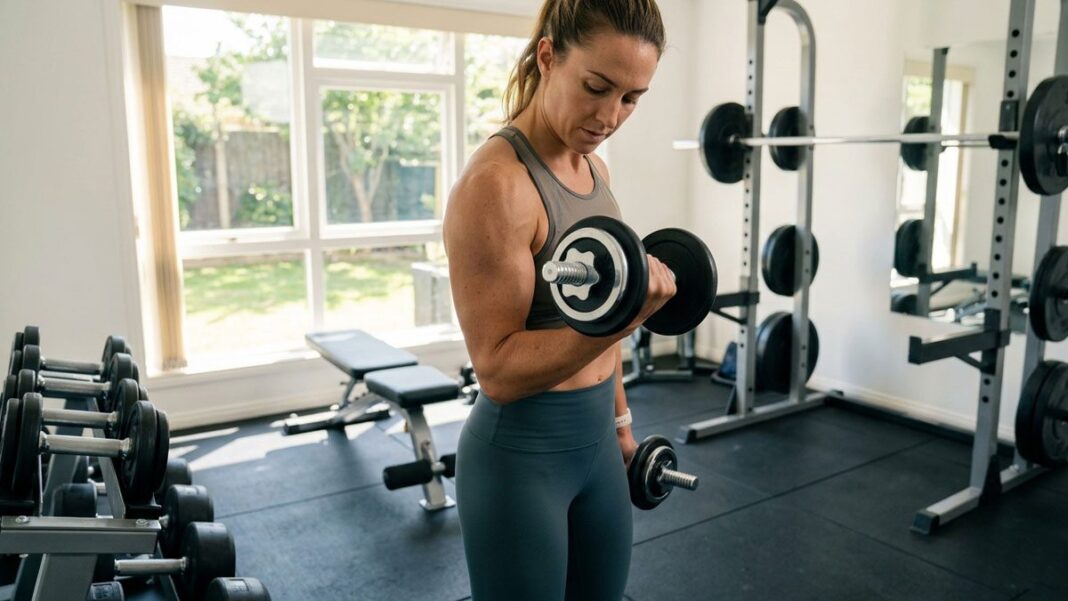
When it comes to fitness, we often think about the muscles that are most visible, and for many, the biceps are at the top of that list. Those bulging muscles on the front of your upper arms are not just for show; they play a crucial role in many everyday activities and workouts. Whether you’re lifting groceries, pulling open a door, or performing a pull-up, strong biceps can make these tasks easier and more efficient.
In this article, we’ll dive into the world of bicep workouts, exploring their importance, effective exercises, and how to safely incorporate them into your routine. Bicep workouts can be incredibly rewarding. Not only do they help you build strength and size, but they also boost your confidence as you see those muscles grow.
I remember when I first started my fitness journey; I was amazed at how much stronger I felt after dedicating time to my biceps. It’s not just about aesthetics; it’s about feeling empowered in your own body. So, let’s roll up our sleeves and get ready to pump some iron!
Key Takeaways
- Bicep workouts are essential for building upper body strength and achieving a balanced physique.
- Strong biceps are important for everyday activities and can improve overall athletic performance.
- Top bicep exercises for strength and size include barbell curls, hammer curls, and chin-ups.
- To perform bicep workouts safely and effectively, it’s important to use proper form and avoid using excessive weight.
- Incorporating bicep workouts into your fitness routine can be done by adding them to your upper body or arm-focused workout days.
Importance of Strong Biceps
Having strong biceps is about more than just looking good in a tank top. These muscles are essential for a variety of movements that we perform daily. The biceps brachii, commonly referred to as the biceps, are responsible for flexing the elbow and rotating the forearm.
This means that every time you lift something or pull an object towards you, your biceps are hard at work. Strengthening these muscles can lead to improved performance in sports and physical activities, making you more capable and agile. Moreover, strong biceps contribute to overall upper body strength.
They work in conjunction with other muscle groups, such as the shoulders and back, to create a balanced physique. When you focus on building your biceps, you’re not just enhancing one area; you’re supporting your entire upper body. This holistic approach to strength training can help prevent injuries and improve your posture, which is especially important if you spend long hours sitting at a desk or engaging in repetitive motions.
Top Bicep Exercises for Strength and Size
Now that we understand the importance of strong biceps, let’s explore some of the best exercises to help you achieve those goals. One of the most popular exercises is the classic bicep curl. To perform this exercise, stand with your feet shoulder-width apart, holding a dumbbell in each hand with your arms fully extended at your sides.
As you exhale, curl the weights up towards your shoulders while keeping your elbows close to your body. Lower the weights back down slowly and repeat for 10-15 repetitions. This exercise is fantastic for isolating the biceps and can be modified with different weights or resistance bands.
Another effective exercise is the hammer curl. This variation targets not only the biceps but also the brachialis and brachioradialis muscles in your forearms. To do a hammer curl, hold a dumbbell in each hand with your palms facing each other.
Just like with the standard curl, keep your elbows close to your body as you lift the weights towards your shoulders. The key difference here is the grip; by keeping your palms facing inward, you engage different muscle fibers for a more comprehensive workout. For those looking to add some variety to their routine, chin-ups are an excellent compound exercise that heavily involves the biceps.
Find a sturdy pull-up bar and grip it with your palms facing you, hands shoulder-width apart. As you pull yourself up towards the bar, focus on engaging your biceps and squeezing at the top of the movement before lowering yourself back down. Aim for 5-10 repetitions, depending on your strength level.
Chin-ups not only build bicep strength but also enhance overall upper body power.
Tips for Performing Bicep Workouts Safely and Effectively
| Exercise | Reps | Sets | Rest | Frequency |
|---|---|---|---|---|
| Barbell Bicep Curl | 8-12 | 3-4 | 60-90 seconds | 2-3 times per week |
| Dumbbell Hammer Curl | 8-12 | 3-4 | 60-90 seconds | 2-3 times per week |
| Preacher Curl | 8-12 | 3-4 | 60-90 seconds | 2-3 times per week |
| Concentration Curl | 8-12 | 3-4 | 60-90 seconds | 2-3 times per week |
While it’s exciting to dive into bicep workouts, safety should always be a priority. One of the most important tips I can offer is to start with lighter weights if you’re new to strength training or returning after a break. It’s easy to get caught up in wanting to lift heavy right away, but this can lead to poor form and potential injuries.
Focus on mastering your technique first; once you feel comfortable, gradually increase the weight. Another crucial aspect of effective bicep workouts is maintaining proper form throughout each exercise. Keep your elbows stationary during curls and avoid swinging or using momentum to lift the weights.
This ensures that you’re truly targeting the biceps rather than relying on other muscle groups to do the work for you. If you find yourself struggling to complete a set with good form, it’s better to lower the weight than risk injury. Additionally, don’t forget about rest and recovery!
Muscles need time to repair and grow stronger after a workout. Incorporate rest days into your routine and consider alternating between bicep workouts and other muscle groups to give your arms adequate recovery time. Stretching before and after your workouts can also help prevent soreness and improve flexibility.
Incorporating Bicep Workouts into Your Fitness Routine
Integrating bicep workouts into your fitness routine doesn’t have to be complicated. If you’re already following a structured program, consider adding bicep exercises on upper body days or as part of a full-body workout. Aim for 2-3 sessions per week dedicated to bicep training, allowing at least 48 hours between sessions for recovery.
If you’re short on time or prefer shorter workouts, you can combine bicep exercises with other muscle groups for an efficient session. For example, try pairing bicep curls with tricep dips or push-ups for a balanced upper body workout that targets both sides of your arms. Circuit training is another great option; perform a series of exercises back-to-back with minimal rest in between to keep your heart rate up while building strength.
Don’t forget about variety! Your muscles can adapt quickly to repetitive movements, so mixing up your exercises will keep things fresh and challenging. Experiment with different grips, angles, and equipment—such as resistance bands or cables—to continually stimulate growth and prevent plateaus.
Conclusion and Final Thoughts on Bicep Workouts
In conclusion, bicep workouts are an essential component of any fitness routine aimed at building strength and enhancing overall upper body performance. By understanding the importance of strong biceps and incorporating effective exercises into our training regimens, we can achieve not only aesthetic goals but also functional benefits that improve our daily lives. Remember that safety and proper form are paramount when performing any exercise.
Start light, focus on technique, and allow for adequate recovery time between sessions. With dedication and consistency, you’ll be well on your way to achieving those strong, sculpted arms that make you feel confident and empowered. So let’s embrace our fitness journeys together!
Whether you’re just starting out or looking to take your training to the next level, know that every rep counts towards building a stronger version of yourself. Let’s lift each other up—literally—and celebrate our progress along the way!