Best Fish to Target in Late May 2026
Late May fishing offers some of the year’s most productive angling opportunities as fish transition from spawn to active feeding patterns. Bass, walleye, and panfish are particularly aggressive right now, making this the perfect time to hit the water with confidence.
What makes late May fishing so productive?
Water temperatures in late May typically range from 65-75°F, creating ideal conditions for most freshwater species. Fish have completed their spawning cycles and are actively feeding to recover energy, while longer daylight hours extend prime fishing windows.
Post-spawn fish are hungry and less cautious than during breeding season. Baitfish populations are thriving, attracting predator species to shallow feeding areas where they’re more accessible to anglers.
Which fish species are most active in late May?

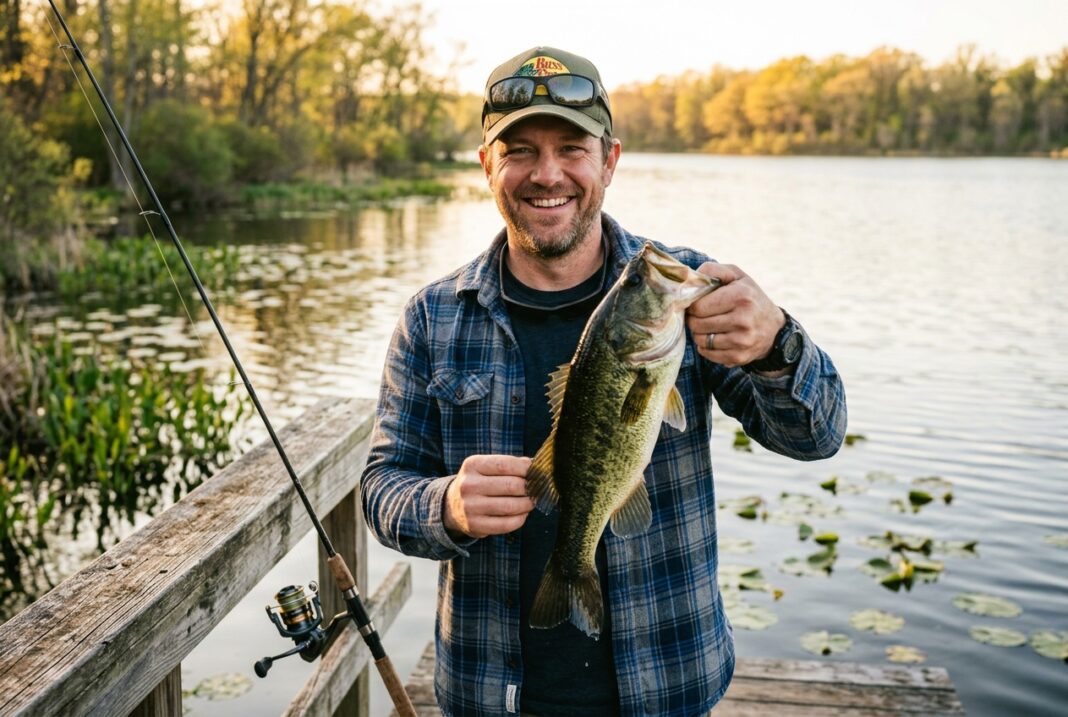
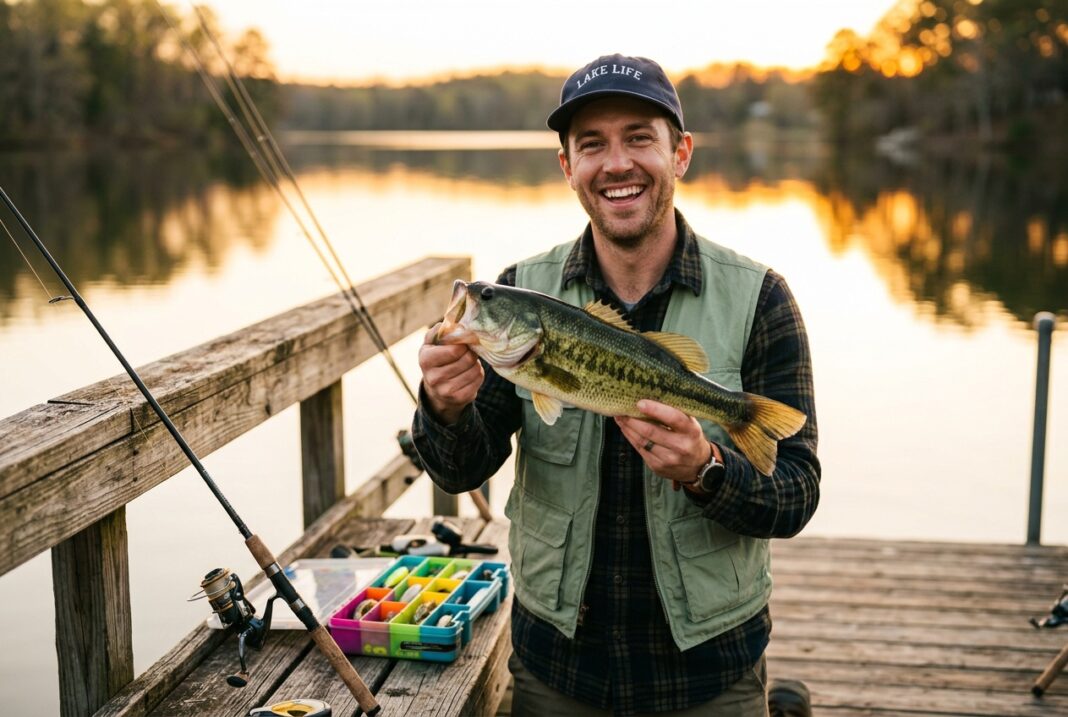
Largemouth and smallmouth bass top the list for late May fishing, followed closely by walleye, northern pike, and various panfish species. These fish are transitioning to summer patterns while maintaining aggressive feeding behavior.
Bass move from spawning beds to nearby cover like fallen trees, weed edges, and rocky points. Research from the USGS shows that post-spawn bass often stage in 8-15 feet of water adjacent to their spawning areas before moving to deeper summer haunts.
What are the best techniques for late May fishing?
Versatile presentations work best as fish can be found at various depths and activity levels. Focus on areas that offer quick access to both shallow and deep water, using lures that cover water efficiently.
- Spinnerbaits around emerging vegetation and structure edges
- Topwater lures during early morning and evening hours
- Soft plastic worms and creature baits for finicky post-spawn bass
- Jigs tipped with live bait for walleye in 10-20 foot depths
Where should you focus your fishing efforts?

Target transitional areas where fish move between spawning and summer habitats. Points, drop-offs near spawning bays, and the first significant weed growth of the season hold concentrations of active fish.
Creek channels, submerged humps, and areas with mixed bottom composition provide the variety post-spawn fish seek. EPA water quality data indicates that areas with good oxygen levels and moderate temperatures consistently produce better late spring fishing results.
Key Takeaways
- Late May offers prime fishing as post-spawn fish feed aggressively to recover energy
- Bass, walleye, and panfish are the most reliable targets during this transition period
- Focus on edges and transitions between shallow spawning areas and deeper water
- Use versatile lures that can adapt to varying fish activity levels throughout the day
Late May represents one of fishing’s sweet spots when everything aligns perfectly. The combination of hungry fish, comfortable weather, and predictable patterns makes every cast feel full of potential. Get out there and make the most of these exceptional conditions while they last.