
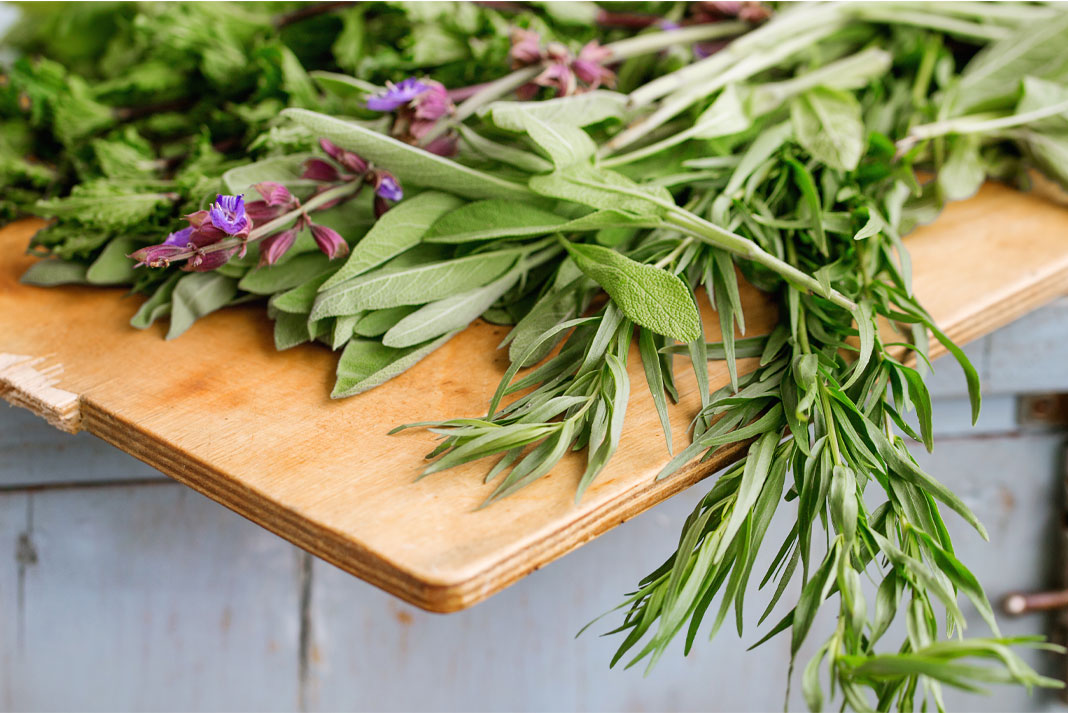

How to Keep Fresh Herbs Fresh Longer: 7 Storage Methods That Actually Work in 2026
The key to keeping fresh herbs vibrant for weeks instead of days lies in understanding each herb’s moisture needs and storing them accordingly. Tender herbs like basil and cilantro require different care than hardy herbs like rosemary and thyme. With the right storage method, you can extend your herbs’ lifespan from 3-4 days to 2-3 weeks.
What is the best way to store tender herbs like basil and cilantro?
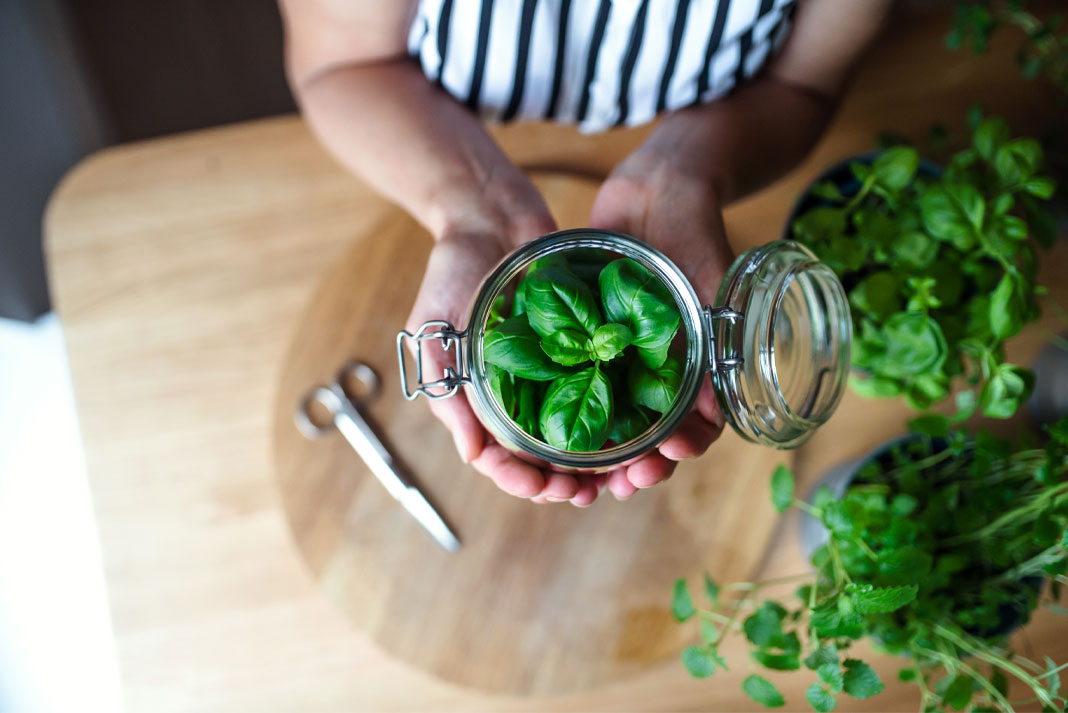
Tender herbs stay freshest when treated like cut flowers, with their stems in water and leaves kept dry. Store basil, cilantro, parsley, and mint with their stems submerged in an inch of water in a jar or glass. Cover the leaves loosely with a plastic bag and refrigerate, except for basil which should stay at room temperature.
This method mimics the herbs’ natural growing conditions and prevents the wilting that occurs when delicate leaves lose moisture. Change the water every 2-3 days and trim the stem ends to maintain freshness for up to two weeks.

How should you store hardy herbs to maximize their shelf life?
Hardy herbs like rosemary, thyme, oregano, and sage prefer to be stored wrapped in slightly damp paper towels inside sealed containers or plastic bags. The controlled humidity prevents the leaves from drying out while avoiding excess moisture that causes rot.
According to USDA guidelines on fresh herb storage, these woody herbs can maintain their potency and texture for up to three weeks when stored properly in the refrigerator’s crisper drawer.
What are the most effective methods for preserving herb flavor and nutrients?
The most effective preservation methods maintain the herbs’ cellular structure while preventing bacterial growth. Proper storage not only extends freshness but also preserves the volatile oils that give herbs their distinctive flavors and beneficial compounds.
- Wash herbs only right before using to prevent premature decay
- Remove any yellowed or damaged leaves before storage
- Ensure proper air circulation around stored herbs
- Keep herbs away from ethylene-producing fruits like apples and bananas
When should you consider freezing or drying fresh herbs?
Freezing works best for herbs you’ll use in cooked dishes, while air-drying suits herbs with lower moisture content like oregano and thyme. Freeze tender herbs in ice cube trays with olive oil or water for convenient portioned use in soups and sauces.
Research from University of Illinois Extension shows that properly dried herbs retain most of their nutritional value and can last 6-12 months when stored in airtight containers away from light and heat.
Key Takeaways
- Store tender herbs like flowers with stems in water and leaves covered
- Wrap hardy herbs in damp paper towels inside sealed containers
- Never wash herbs until you’re ready to use them
- Freeze herbs in oil for long-term storage and easy cooking portions
With these proven storage methods, you’ll waste fewer herbs and always have fresh flavors ready for your spring and summer cooking. Start implementing these techniques today, and you’ll notice the difference in both the longevity and quality of your fresh herbs within just a few days.