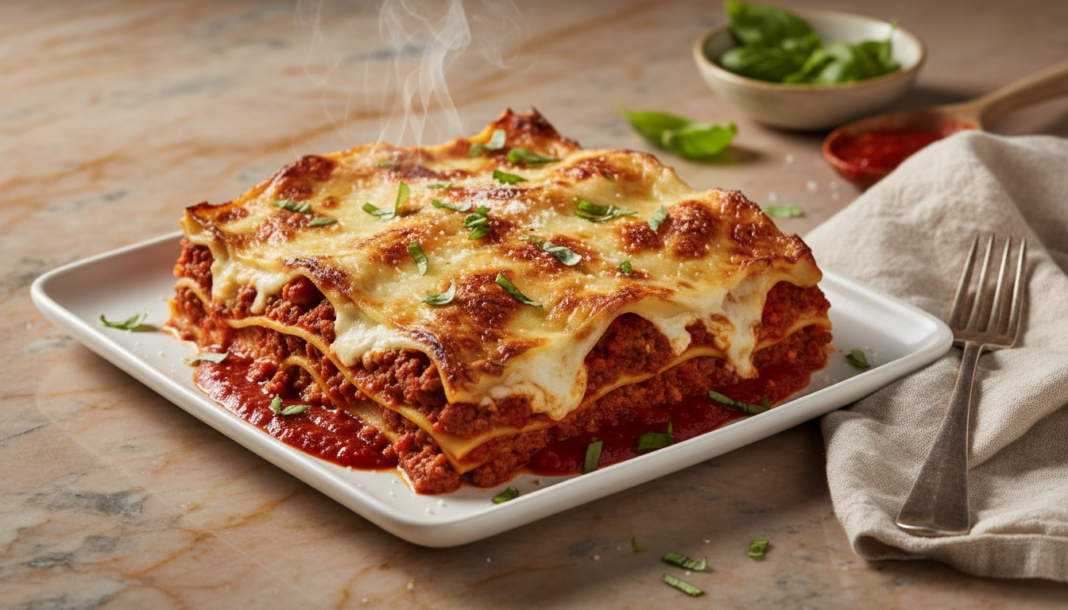
How to Make Homemade Lasagna Restaurant Style? The Secret’s in the Sauce (and the Noodles)!
Want lasagna so good it rivals your favorite Italian restaurant? You can absolutely achieve that level of deliciousness at home by mastering a few key techniques: slow-simmering a rich, flavorful meat sauce, using fresh pasta sheets (if you’re feeling ambitious!), and layering everything with creamy béchamel. This recipe walks you through each step, providing tips and tricks that will transform your homemade lasagna from good to utterly unforgettable.
What You Will Need
-
- 1 pound ground beef
-
- 1 pound Italian sausage, casings removed
-
- 1 large onion, chopped
-
- 2 carrots, finely diced
-
- 2 celery stalks, finely diced
-
- 4 cloves garlic, minced
-
- 1/4 cup olive oil
-
- 1 (28 ounce) can crushed tomatoes
-
- 1 (15 ounce) can tomato sauce
-
- 1 (6 ounce) can tomato paste
-
- 1 cup dry red wine (optional)
-
- 2 teaspoons dried oregano
-
- 1 teaspoon dried basil
-
- 1/2 teaspoon red pepper flakes (optional)
-
- Salt and freshly ground black pepper to taste
-
- 1 pound lasagna noodles (fresh or dried)
-
- 15 ounces ricotta cheese
-
- 1/2 cup grated Parmesan cheese
-
- 1/4 cup chopped fresh parsley
-
- 1 egg, lightly beaten
-
- 4 tablespoons butter
-
- 4 tablespoons all-purpose flour
-
- 4 cups milk
-
- 1/4 teaspoon ground nutmeg
-
- 8 ounces shredded mozzarella cheese
How to Make Homemade Lasagna From Scratch Restaurant Style Step by Step
-
- Make the meat sauce: Heat olive oil in a large pot or Dutch oven over medium heat. Add ground beef and Italian sausage, breaking it up with a spoon. Cook until browned, then drain off any excess grease.
-
- Sauté the vegetables: Add chopped onion, carrots, and celery to the pot. Cook until softened, about 5-7 minutes. Add minced garlic and cook for another minute until fragrant.
-
- Simmer the sauce: Stir in crushed tomatoes, tomato sauce, tomato paste, red wine (if using), oregano, basil, red pepper flakes (if using), salt, and pepper. Bring to a simmer, then reduce heat to low, cover, and cook for at least 1 1/2 to 2 hours, stirring occasionally. The longer it simmers, the richer the flavor will be.
-
- Prepare the béchamel sauce: In a medium saucepan, melt butter over medium heat. Whisk in flour and cook for 1-2 minutes, creating a roux. Gradually whisk in milk, making sure to smooth out any lumps. Bring to a simmer, then reduce heat to low and cook, whisking constantly, until thickened, about 5-7 minutes. Stir in nutmeg, salt, and pepper to taste.
-
- Make the ricotta mixture: In a medium bowl, combine ricotta cheese, Parmesan cheese, parsley, and egg. Mix well.
-
- Cook the lasagna noodles: If using dried lasagna noodles, cook them according to package directions until al dente. If using fresh pasta, no pre-cooking is needed.
-
- Assemble the lasagna: Preheat oven to 375°F (190°C). Spread a thin layer of meat sauce in the bottom of a 9×13 inch baking dish. Top with a layer of lasagna noodles, overlapping as needed.
-
- Layer the ingredients: Spread half of the ricotta mixture over the noodles, followed by half of the remaining meat sauce, and one-third of the béchamel sauce. Sprinkle with one-third of the mozzarella cheese.
-
- Repeat layers: Repeat layers of noodles, ricotta mixture, meat sauce, béchamel sauce, and mozzarella cheese.
-
- Top and bake: Top with a final layer of noodles, remaining béchamel sauce, and remaining mozzarella cheese.
-
- Bake the lasagna: Cover the baking dish with foil and bake for 30 minutes. Remove the foil and bake for another 15-20 minutes, or until the cheese is melted and bubbly and the lasagna is heated through.
-
- Rest and serve: Let the lasagna rest for at least 15-20 minutes before slicing and serving. This allows the layers to set and prevents it from falling apart.
Pro Tips for Best Results
-
- Simmer the sauce low and slow: A long simmer develops a deep, complex flavor in the meat sauce. Don’t rush this step!
-
- Don’t overcook the noodles: Al dente noodles are key to preventing mushy lasagna. If using oven-ready noodles, follow package directions precisely.
-
- Use high-quality cheese: The flavor of the cheese will shine through, so invest in good quality ricotta, Parmesan, and mozzarella.
-
- Let it rest: This is crucial! Resting allows the lasagna to set, making it easier to slice and serve.
Variations and Substitutions
Lasagna is a forgiving dish, perfect for customizing to your preferences and dietary needs. Here are a few ideas to get you started:
-
- Vegetarian Lasagna: Swap the meat sauce for a vegetable-packed sauce using mushrooms, zucchini, bell peppers, spinach, and eggplant. You can roast the vegetables beforehand to enhance their flavor.
-
- Healthier Lasagna: Use whole wheat lasagna noodles, lean ground turkey or chicken instead of beef and sausage, and part-skim ricotta and mozzarella cheese. You can also add extra vegetables to the sauce.
-
- Budget-Friendly Lasagna: Use canned diced tomatoes instead of crushed tomatoes, and skip the red wine. You can also use a store-brand cheese blend instead of fresh mozzarella.
-
- Vegan Lasagna: Use vegan lasagna noodles, a lentil-based sauce instead of meat, tofu ricotta (made by blending silken tofu with nutritional yeast, lemon juice, and herbs), and vegan mozzarella cheese.
Storage, Reheating, and Make-Ahead Instructions
Leftover lasagna can be stored in the refrigerator for up to 3-4 days. To reheat, cover with foil and bake at 350°F (175°C) until heated through, about 20-30 minutes. You can also reheat individual slices in the microwave. For make-ahead lasagna, assemble the lasagna and store it in the refrigerator (unbaked) for up to 24 hours. Add about 15 minutes to the baking time when you’re ready to cook it. Lasagna also freezes well! Cool completely, wrap tightly in plastic wrap and then foil, and freeze for up to 2-3 months. Thaw overnight in the refrigerator before baking.
Food Science and Flavor
The magic of lasagna lies in the synergy of its components. The slow-simmered meat sauce develops depth and complexity thanks to the Maillard reaction, which occurs when amino acids and reducing sugars react at high temperatures, creating hundreds of flavorful compounds. The béchamel sauce, a classic French sauce, adds richness and creaminess, while the ricotta mixture provides a delightful tang. The layering technique ensures that each bite is a perfect balance of textures and flavors. The acidity of the tomatoes cuts through the richness of the cheese and meat, creating a harmonious and satisfying dish. Following USDA food safety guidelines for cooking temperatures is crucial for ensuring food safety.
What to Serve Alongside Lasagna
Lasagna is a complete meal on its own, but it’s even better with a few complementary sides. A simple green salad with a vinaigrette dressing provides a refreshing contrast to the richness of the lasagna. Garlic bread or crusty Italian bread is perfect for soaking up the delicious sauce. For a heartier meal, consider serving roasted vegetables or a side of steamed broccoli. A glass of Chianti or other Italian red wine pairs perfectly with lasagna. For dessert, try tiramisu, cannoli, or a simple bowl of fresh fruit.
Frequently Asked Questions About How to Make Homemade Lasagna From Scratch Restaurant Style
Can I use oven-ready lasagna noodles?
Yes, you can definitely use oven-ready lasagna noodles to save time! Just be sure to add a little extra sauce to the bottom of the dish and between layers, as these noodles tend to absorb more liquid. Follow the package directions for baking time and temperature.
How do I prevent my lasagna from being watery?
Several factors can contribute to watery lasagna. Make sure to drain any excess grease from the meat sauce and avoid overcooking the noodles. Also, don’t add too much ricotta mixture, as it contains moisture. Finally, let the lasagna rest for at least 15-20 minutes before slicing to allow the layers to set.
Can I make lasagna ahead of time and freeze it?
Absolutely! Lasagna freezes beautifully. Assemble the lasagna as directed, but don’t bake it. Wrap it tightly in plastic wrap and then foil. Freeze for up to 2-3 months. When you’re ready to bake it, thaw it overnight in the refrigerator and then bake as directed, adding about 15 minutes to the baking time.
Why This Recipe Belongs in Your Kitchen
Homemade lasagna is more than just a meal; it’s an experience. The process of layering the ingredients and watching it bubble in the oven is incredibly rewarding. This recipe, with its rich sauce, creamy béchamel, and layers of cheese, will become a family favorite you’ll be proud to share for years to come, bringing the taste of a restaurant right to your table.